Core Pantry Cluster
Oyster Sauce vs Hoisin Sauce
Rice Queen's take on Oyster Sauce vs Hoisin Sauce: choose Oyster Sauce for savory gloss in stir-fries, noodles, marinades, and brown sauces, and choose Hoisin Sauce for sweet glaze, dipping, lettuce wraps, and barbecue-style sauces.

Quick Answer
Oyster Sauce is the better fit when you want savory gloss in stir-fries, noodles, marinades, and brown sauces. Hoisin Sauce is the better fit when you want sweet glaze, dipping, lettuce wraps, and barbecue-style sauces. If you are buying only one today, choose the one that solves the problem you cook most often.
At A Glance
Comparison snapshot
| Product | Best for | Verdict | Availability |
|---|---|---|---|
Oyster Sauce | Savory gloss in stir-fries, noodles, marinades, and brown sauces. | Core brown sauce | Common at Asian groceries and many mainstream supermarkets. |
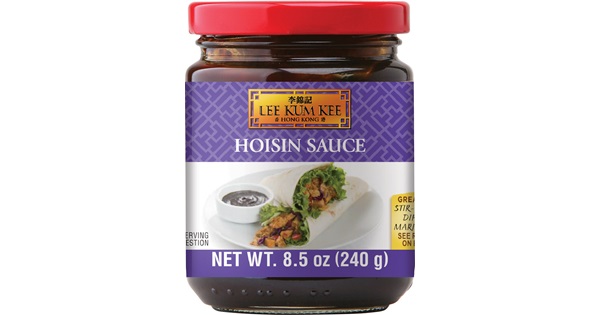 Hoisin Sauce | Sweet glaze, dipping, lettuce wraps, and barbecue-style sauces. | Sweet sauce role | Common at Asian groceries and many mainstream supermarkets. |
Recommendations
Product-by-product picks
Core brown sauce
Oyster Sauce
Savory gloss in stir-fries, noodles, marinades, and brown sauces.
Savory, glossy, and slightly sweet, with a depth that soy sauce alone does not give.
Thick enough to coat food and pull a quick pan sauce together.
One of the most useful early bottles if you cook Chinese-American style weeknight food.
Common at Asian groceries and many mainstream supermarkets.
- High payoff in stir-fries and noodles
- Easy to understand once you cook with it
- Not vegetarian and not a dipping sauce substitute for soy sauce
Sweet sauce role
Hoisin Sauce
Sweet glaze, dipping, lettuce wraps, and barbecue-style sauces.
Sweet, savory, and aromatic, with a thicker glaze-like profile.
Thick and sticky enough to coat food quickly.
Useful when you want sweetness and glaze; less useful as an all-purpose savory sauce.
Common at Asian groceries and many mainstream supermarkets.
- Great for glaze and dipping
- Easy flavor shortcut
- Too sweet to replace oyster sauce in most cooking
Rice Queen Take
Oyster Sauce is the better fit when you want savory gloss in stir-fries, noodles, marinades, and brown sauces. Hoisin Sauce is the better fit when you want sweet glaze, dipping, lettuce wraps, and barbecue-style sauces. If you are buying only one today, choose the one that solves the problem you cook most often.
When Oyster Sauce Makes Sense
Oyster Sauce is the move when you want savory gloss in stir-fries, noodles, marinades, and brown sauces.
Savory, glossy, and slightly sweet, with a depth that soy sauce alone does not give.
When Hoisin Sauce Makes Sense
Hoisin Sauce earns its place when you want sweet glaze, dipping, lettuce wraps, and barbecue-style sauces.
Sweet, savory, and aromatic, with a thicker glaze-like profile.
Bottom Line
Do not buy both just to feel prepared. Buy the one that matches how you cook this month, then add the second only when the missing flavor or texture keeps coming up.
How To Read This Guide
How these picks were judged
These picks are judged by how clearly they help a home cook make the dish or shopping decision in front of them.
- Clear pantry role
- Low-regret first buy
- Easy ways to use it this week
- Whether the upgrade is worth paying for
- Prices and store shelves change.
- A premium bottle is only worth it if the difference shows up in your cooking.
- Category picks are buying direction, not a claim that every brand in the category tastes the same.
Rice Queen's take is intentionally practical: buy the product when it solves the cooking problem in this guide, and skip it when it would only add clutter.
FAQ
Which should I buy first?
Oyster Sauce is the better fit when you want savory gloss in stir-fries, noodles, marinades, and brown sauces. Hoisin Sauce is the better fit when you want sweet glaze, dipping, lettuce wraps, and barbecue-style sauces. If you are buying only one today, choose the one that solves the problem you cook most often.
Do I need both Oyster Sauce and Hoisin Sauce?
Usually no. Buy both only if they solve different jobs you already repeat.
What is the easiest mistake here?
Buying the more specialized option first and then trying to force it into everyday cooking.