Use-Case Guidance
Chili Crisp vs Chili Oil
Rice Queen's take on Chili Crisp vs Chili Oil: choose Chili Crisp for finishing eggs, dumplings, rice bowls, and noodles with crunch plus heat, and choose Chili Oil for clean chili heat when you do not want crunchy bits.
Quick Answer
Chili Crisp is the better fit when you want finishing eggs, dumplings, rice bowls, and noodles with crunch plus heat. Chili Oil is the better fit when you want clean chili heat when you do not want crunchy bits. If you are buying only one today, choose the one that solves the problem you cook most often.
At A Glance
Comparison snapshot
| Product | Best for | Verdict | Availability |
|---|---|---|---|
Chili Crisp | Finishing eggs, dumplings, rice bowls, and noodles with crunch plus heat. | Best first chili condiment | Common at Asian groceries, many mainstream supermarkets, and online. |
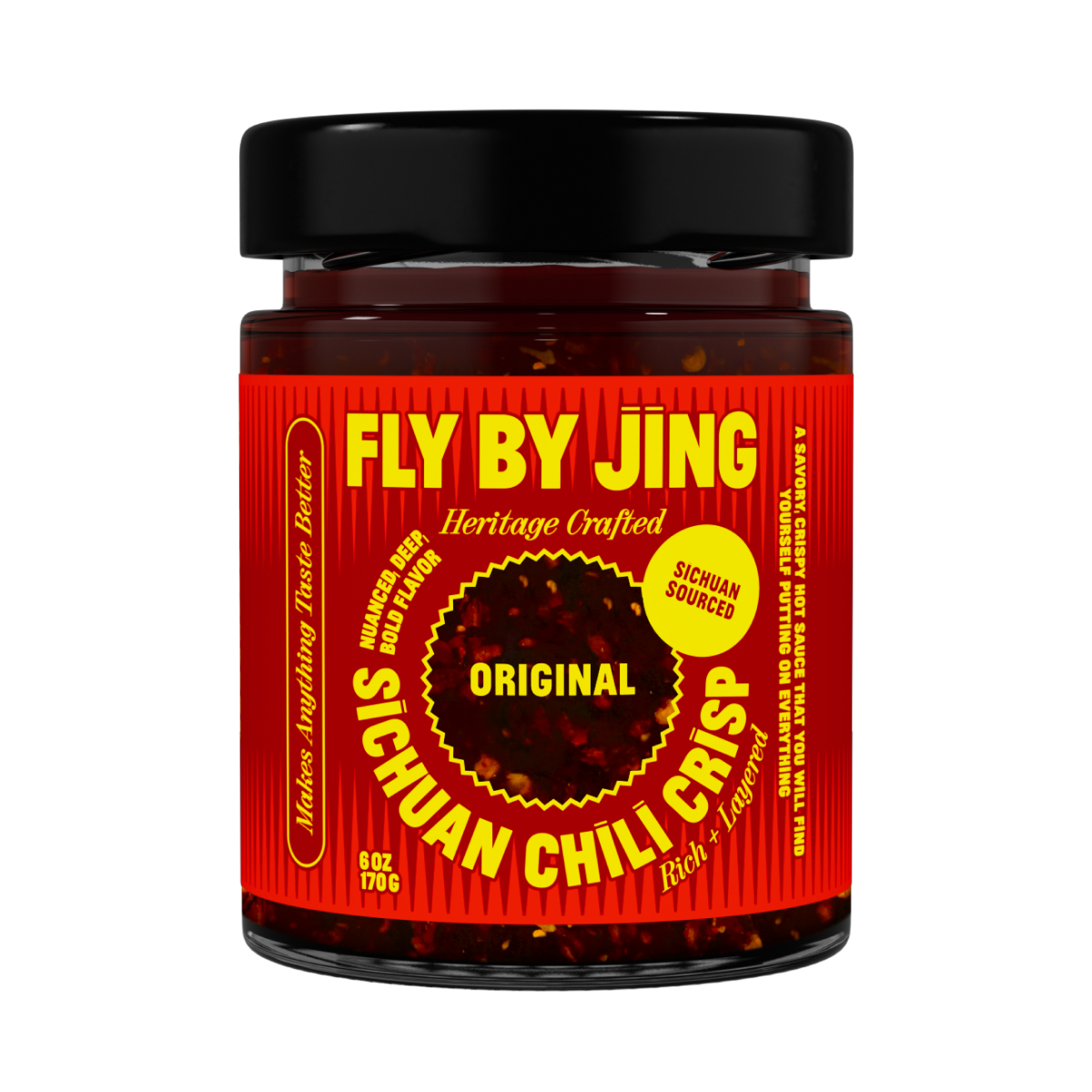 Chili Oil | Clean chili heat when you do not want crunchy bits. | Cleaner heat | Common at Asian groceries and online. |
Recommendations
Product-by-product picks
Best first chili condiment
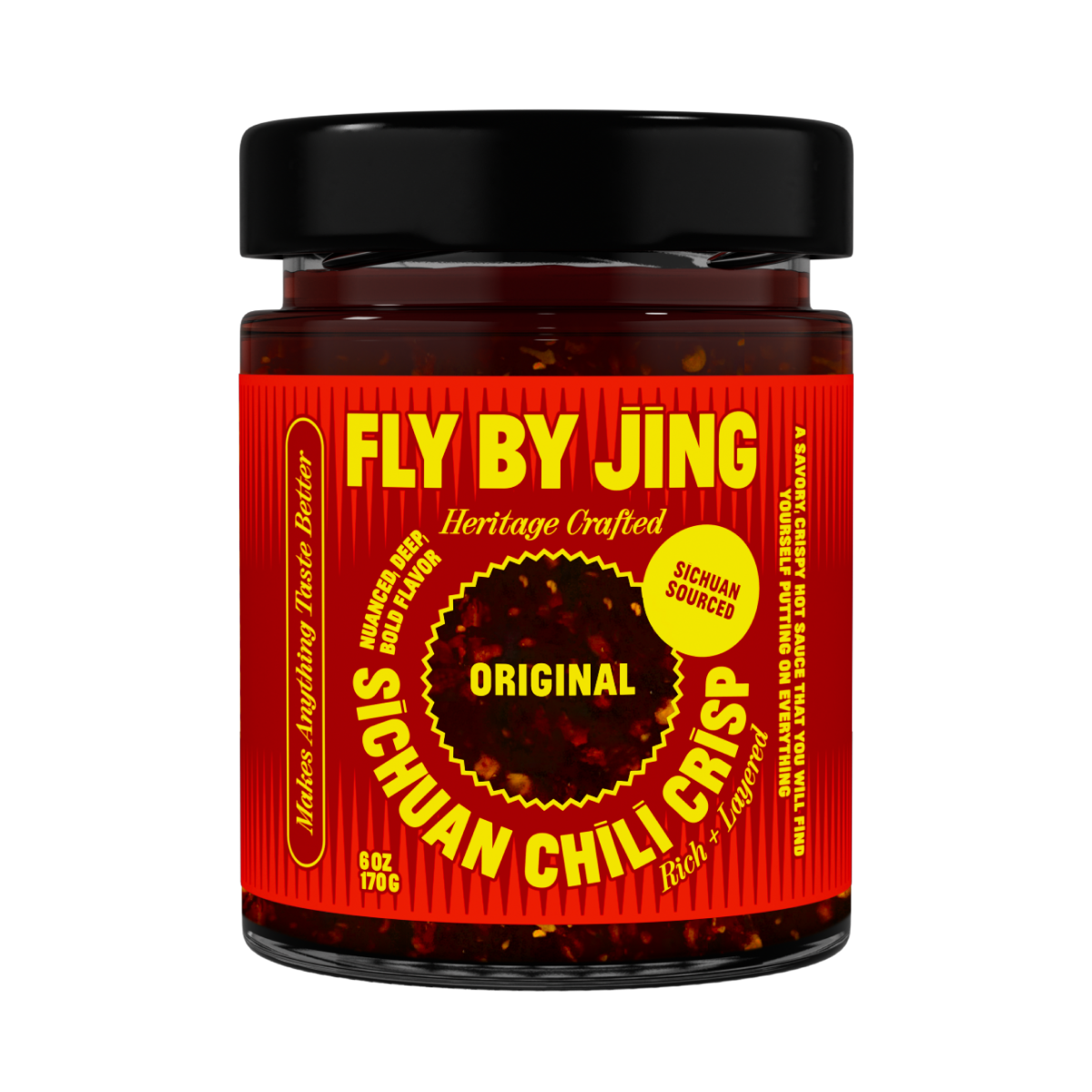
Chili Crisp
Finishing eggs, dumplings, rice bowls, and noodles with crunch plus heat.
More rounded than plain chili oil because the fried bits add savoriness, crunch, and aroma.
The crunchy solids are the point. Spoon it over finished food instead of treating it like a neutral cooking oil.
High value if you want one condiment that makes simple food feel finished fast.
Common at Asian groceries, many mainstream supermarkets, and online.
- Adds texture as well as heat
- Easy to use without cooking
- Can dominate delicate dishes if spooned on too heavily
Cleaner heat
Chili Oil
Clean chili heat when you do not want crunchy bits.
More direct and oil-forward than chili crisp, with less texture and fewer fried-aromatic notes.
Smooth enough for sauces, soups, and dipping bowls where crunch would get in the way.
Useful, but less exciting as a first condiment than chili crisp for most quick meals.
Common at Asian groceries and online.
- Easy to stir into soups and sauces
- Better than chili crisp when you want smooth heat
- Does less on its own as a finishing topping
Rice Queen Take
Chili Crisp is the better fit when you want finishing eggs, dumplings, rice bowls, and noodles with crunch plus heat. Chili Oil is the better fit when you want clean chili heat when you do not want crunchy bits. If you are buying only one today, choose the one that solves the problem you cook most often.
When Chili Crisp Makes Sense
Chili Crisp is the move when you want finishing eggs, dumplings, rice bowls, and noodles with crunch plus heat.
More rounded than plain chili oil because the fried bits add savoriness, crunch, and aroma.
When Chili Oil Makes Sense
Chili Oil earns its place when you want clean chili heat when you do not want crunchy bits.
More direct and oil-forward than chili crisp, with less texture and fewer fried-aromatic notes.
Bottom Line
Do not buy both just to feel prepared. Buy the one that matches how you cook this month, then add the second only when the missing flavor or texture keeps coming up.
How To Read This Guide
How these picks were judged
These picks are judged by how clearly they help a home cook make the dish or shopping decision in front of them.
- Clear pantry role
- Low-regret first buy
- Easy ways to use it this week
- Whether the upgrade is worth paying for
- Prices and store shelves change.
- A premium bottle is only worth it if the difference shows up in your cooking.
- Category picks are buying direction, not a claim that every brand in the category tastes the same.
Rice Queen's take is intentionally practical: buy the product when it solves the cooking problem in this guide, and skip it when it would only add clutter.
FAQ
Which should I buy first?
Chili Crisp is the better fit when you want finishing eggs, dumplings, rice bowls, and noodles with crunch plus heat. Chili Oil is the better fit when you want clean chili heat when you do not want crunchy bits. If you are buying only one today, choose the one that solves the problem you cook most often.
Do I need both Chili Crisp and Chili Oil?
Usually no. Buy both only if they solve different jobs you already repeat.
What is the easiest mistake here?
Buying the more specialized option first and then trying to force it into everyday cooking.